
What worked
Investing early in tokens and primitives paid back across every feature shipped after.
Enterprise Device Booking
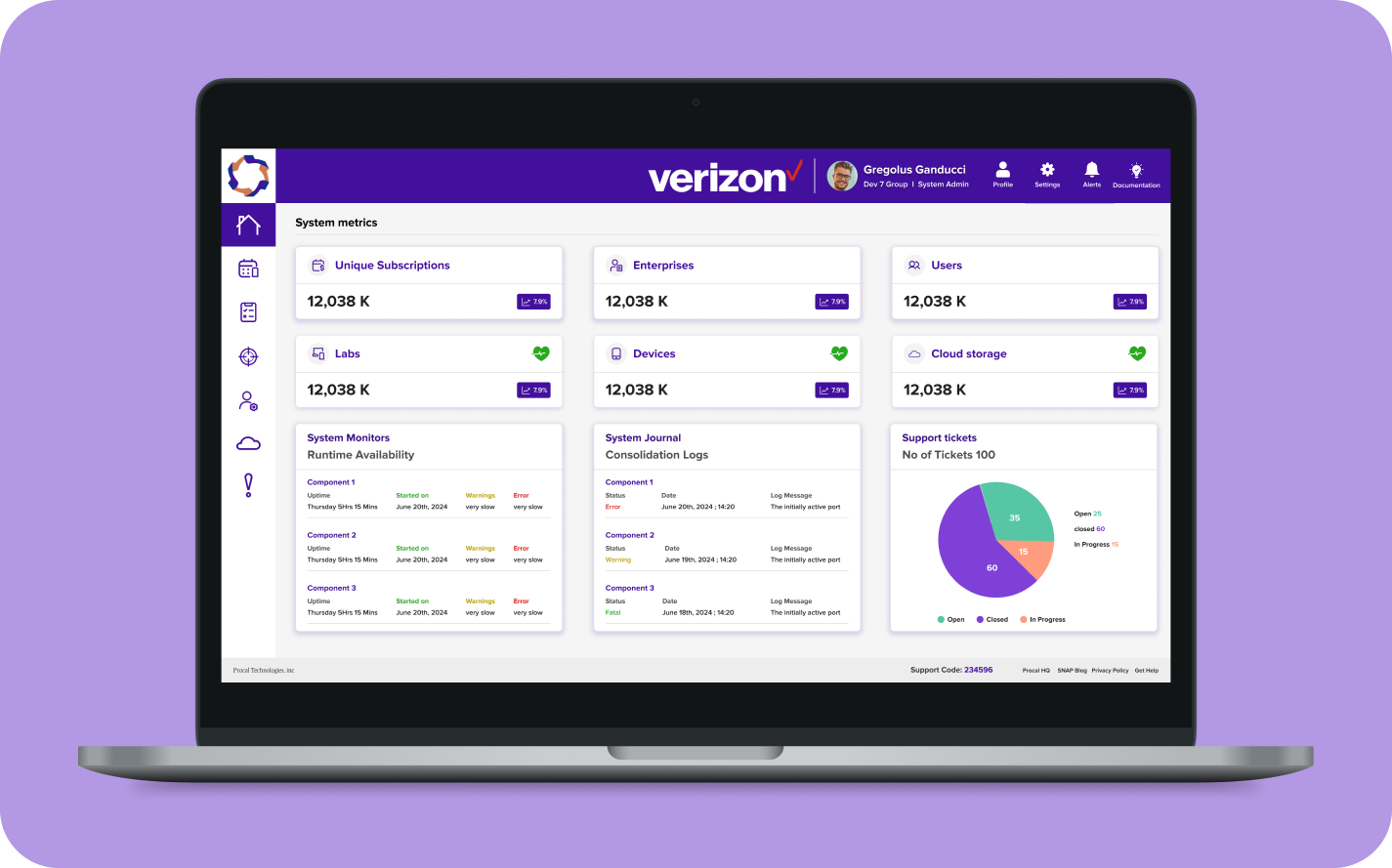
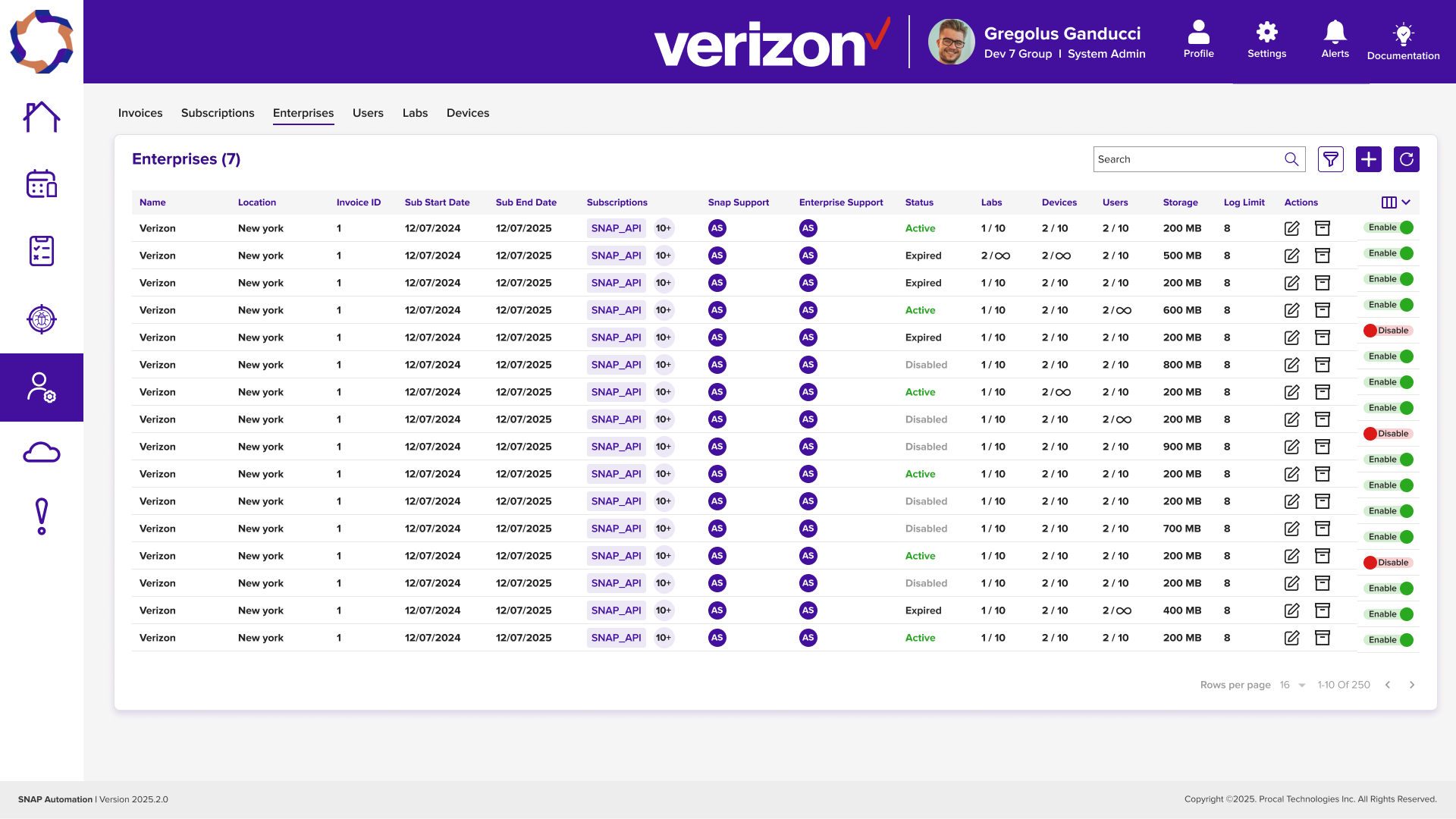
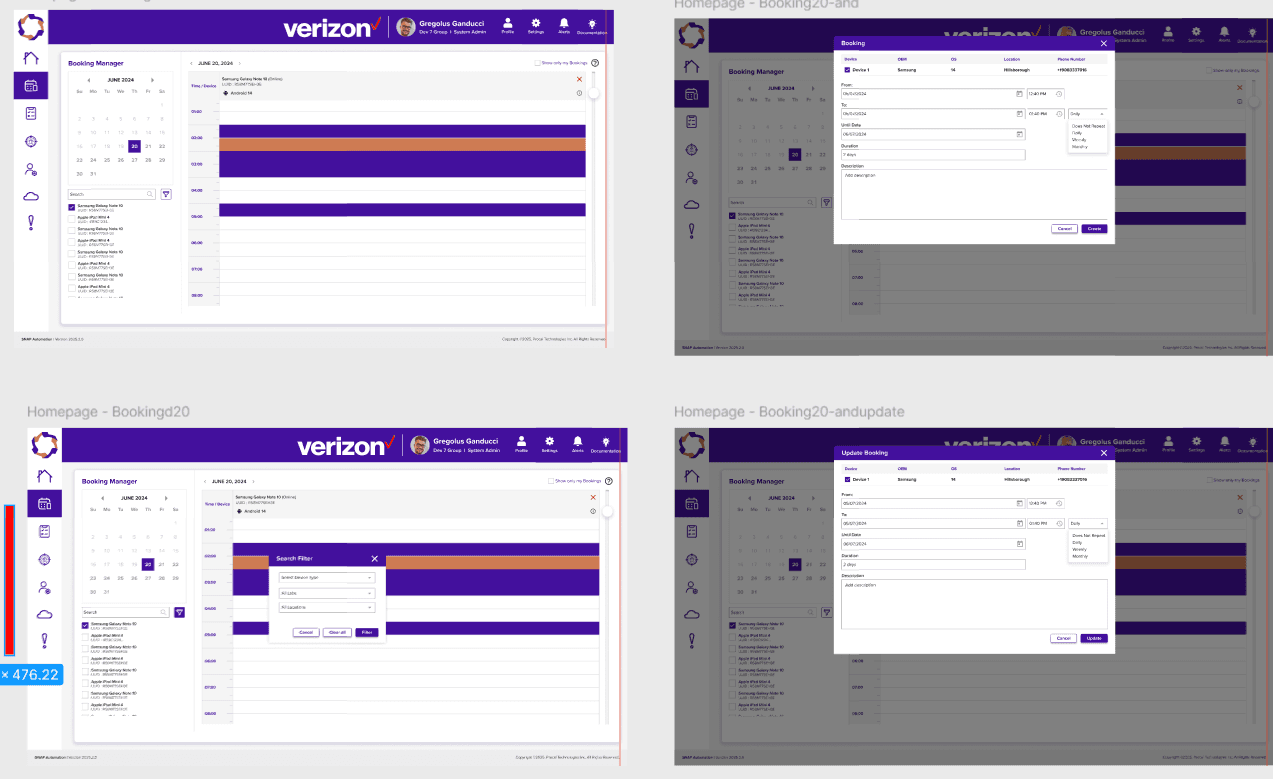
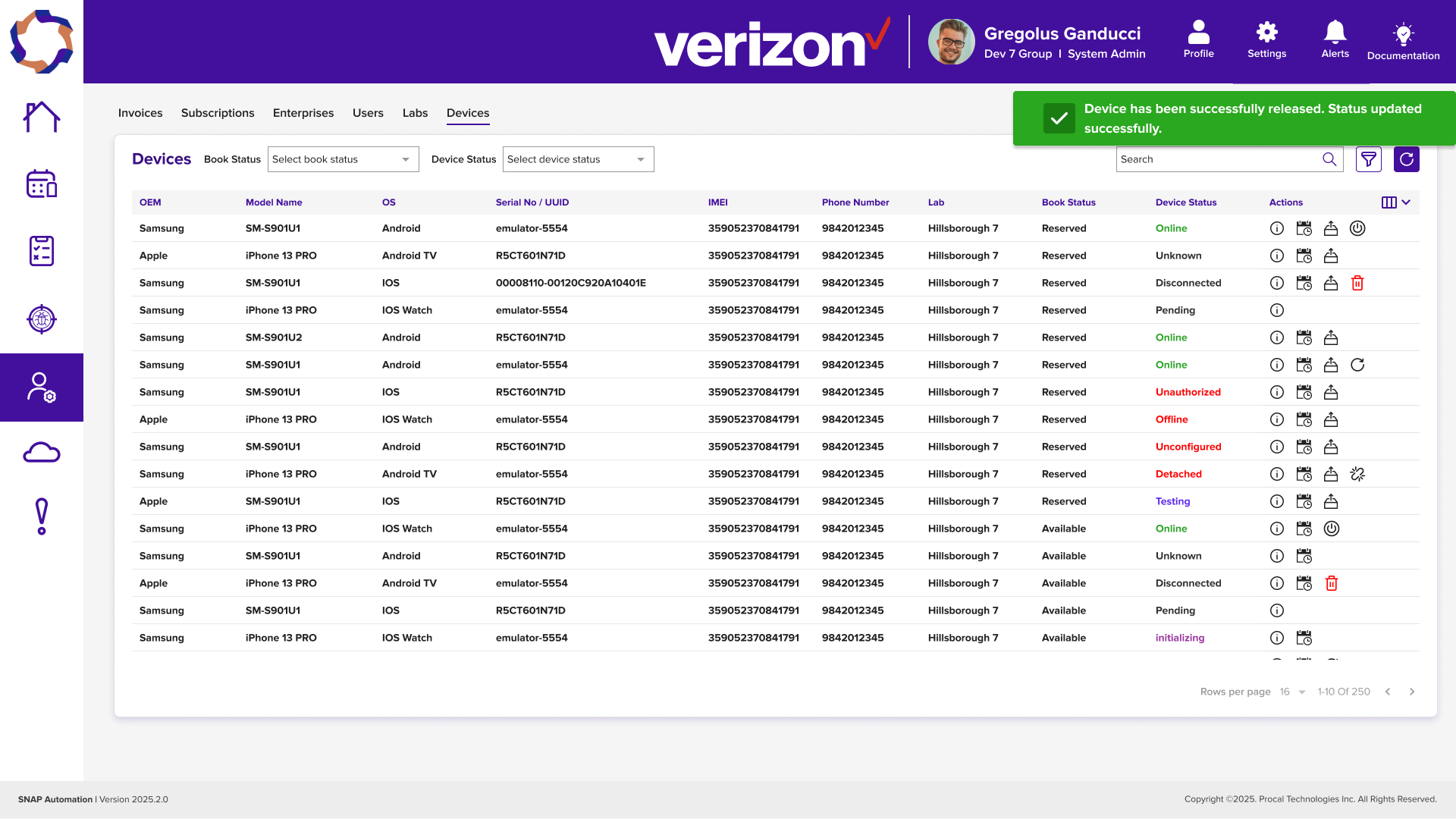
Engineering teams booked physical test devices across spreadsheets, Slack threads and legacy tools — leading to conflicts and lost time.
Each lens explores one dimension — history, geography, physics, chemistry, biology. Expand to read the working.
Real numbers where I have them. Where validation is pending, I say so.
Metrics marked “to be validated” are pending live measurement.
Engineers wasted hours coordinating device access across siloed tools.
Design a scalable booking experience and a system that supports many device classes.
Audited workflows, built a token-driven design system, designed booking, scheduling and inventory surfaces.
A consistent booking experience with a reusable component library adopted across multiple internal products.
Investing early in tokens and primitives paid back across every feature shipped after.
Tighter loop with platform engineering would have caught permission edge cases sooner.
Open the system to partner teams as a shared internal product surface.
Happy to walk through process, decisions and trade-offs in detail — say hello and I'll send a deep-dive.